
Friedrich Froebel Founder of Kindergarten (Play-Based Learning)
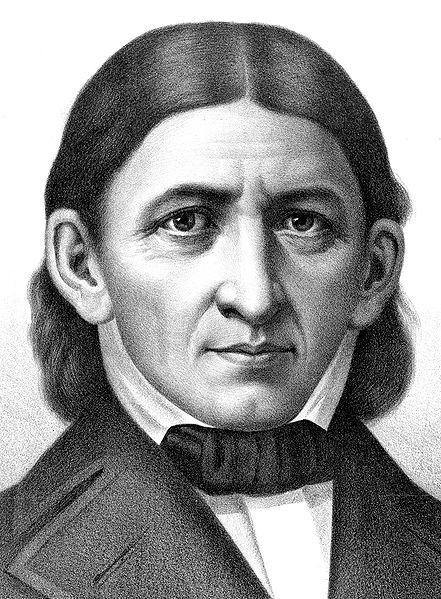
- Core Belief: Play is the highest expression of human development in childhood.
- Key Contribution: Developed the first Kindergarten; emphasized the use of "gifts and
occupations" (toys and tasks) to support learning through play.
- Impact: Encouraged creative self-expression, nature learning, and hands-on
discovery.
- Still Used In: Play-based classrooms, block play, singing, and movement activities.
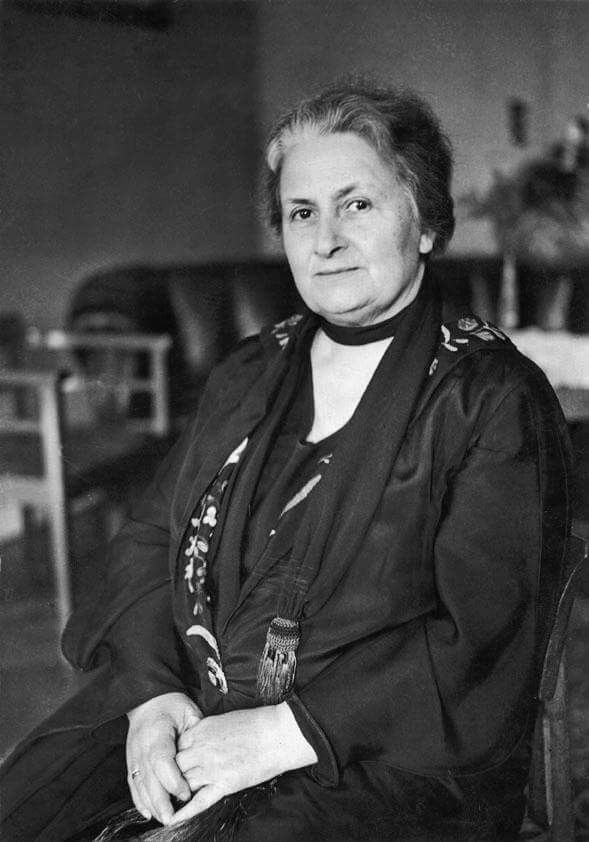
Maria Montessori – Montessori Method (Self-Directed Learning)
- Core Belief: Children learn best through freedom within structure and self-chosen
activity.
- Key Contribution: Designed prepared environments with sensory-based, sequential
materials for self-paced learning.
- Impact: Focus on independence, concentration, order, and practical life skills.
- Still Used In: Montessori schools, sensorial and real-life activity-based education.
Lev Vygotsky – Sociocultural Theory (Learning Through Social Interaction)
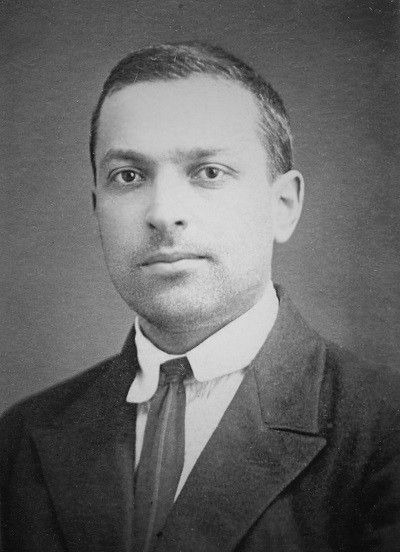
- Core Belief: Learning occurs first socially, then individually.
- Key Concept: Zone of Proximal Development (ZPD) – what a child can do with
guidance vs. alone.
- Impact: Introduced scaffolding, peer interaction, and the importance of language in learning.
- Still Used In: Group work, guided play, teacher-facilitated exploration, language-rich
environments.
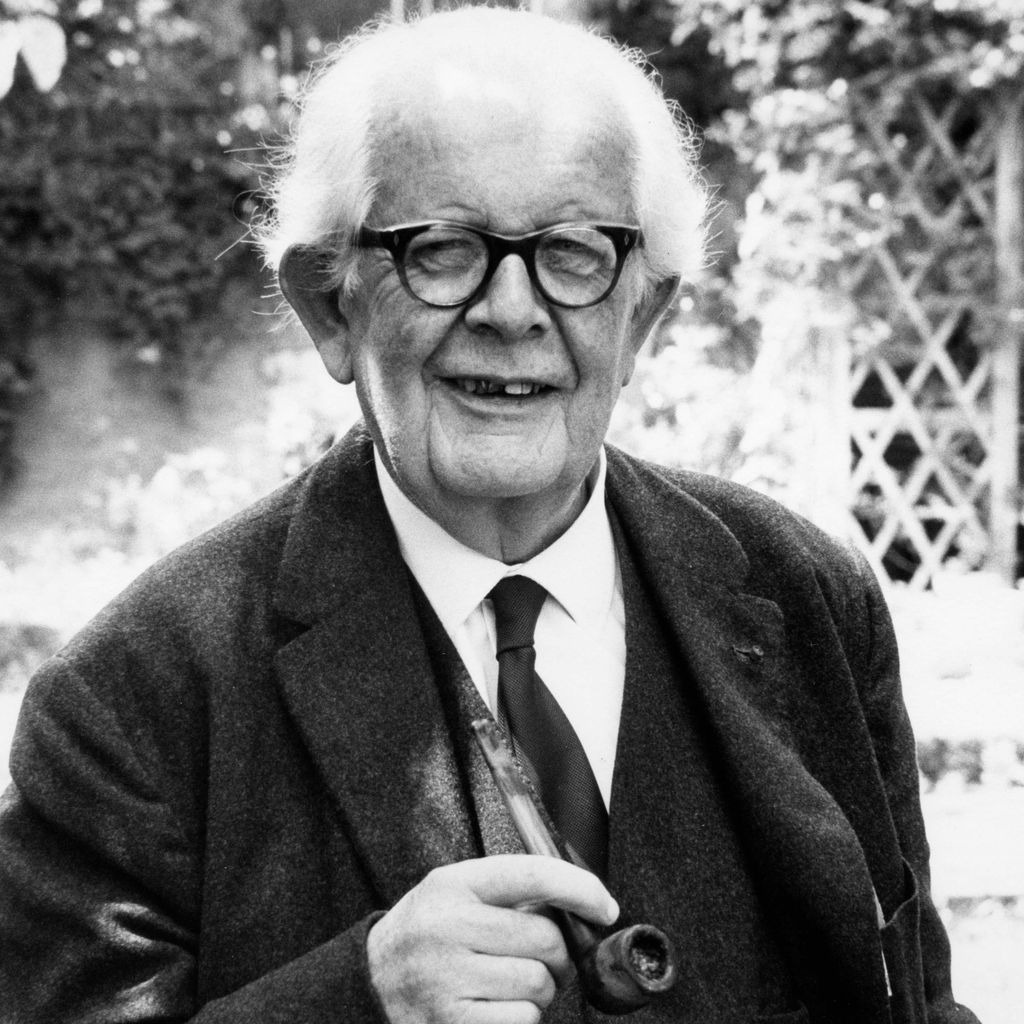
Jean Piaget – Cognitive Development Theory (Constructivism)
- Core Belief: Children actively construct knowledge through hands-on experience.
- Key Contribution: Identified stages of cognitive development (Sensorimotor,
Preoperational, etc.)
- Impact: Emphasized learning through play, exploration, and age-appropriate
expectations.
- Still Used In: Inquiry-based learning, problem-solving, and activity-based curriculum.
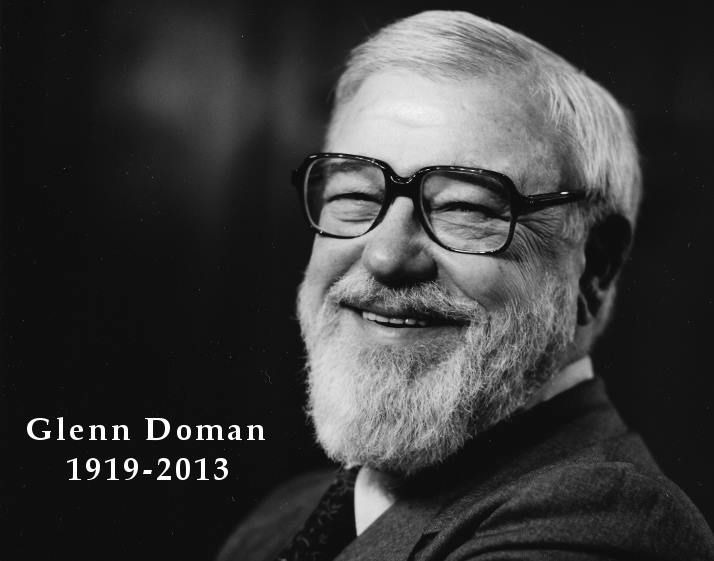
Glenn Doman – Early Stimulation &,Brain Development Approach
- Core Belief: Children are capable, curious, and full of ideas.
- Key Contribution: Emphasis on project work, environment as the third teacher, and
documentation of learning.
- Key Contribution: Emphasis on project work, environment as the third teacher, and
documentation of learning.
- Still Used In: Preschool learning corners, art exploration, parent collaboration.
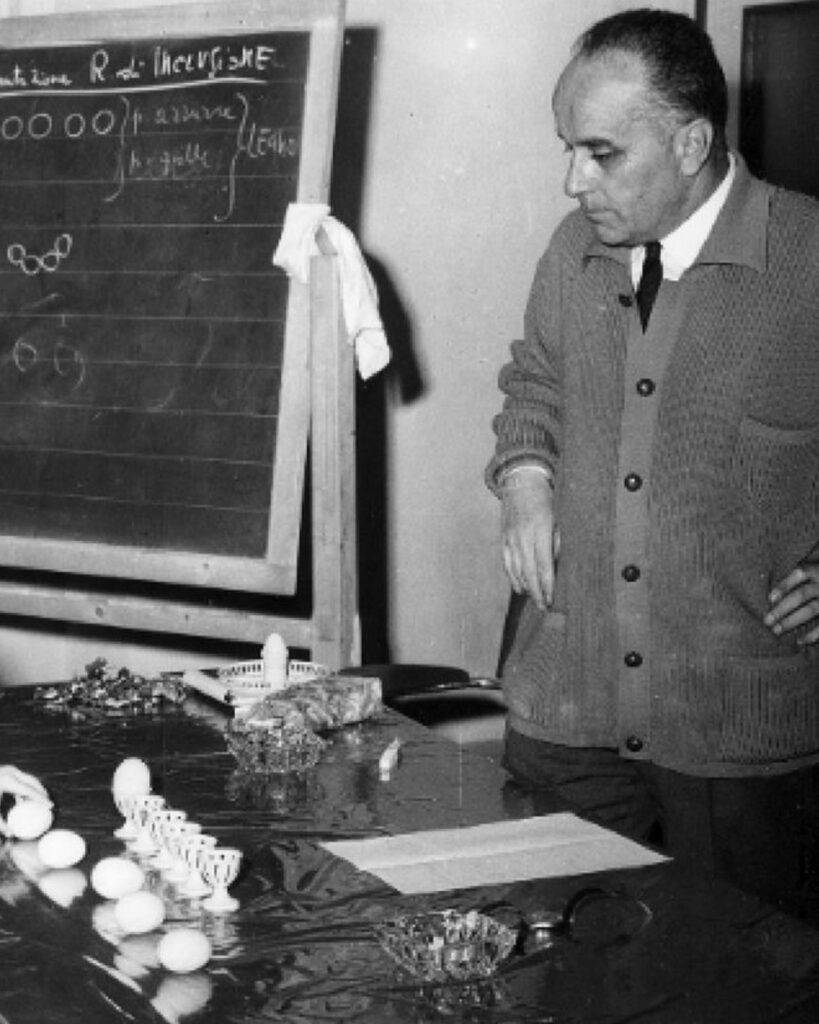
Reggio Emilia Approach – Child-Led Project Learning
- Core Belief: Children are capable, curious, and full of ideas.
- Key Contribution: Emphasis on project work, environment as the third teacher, and documentation of learning.
- Impact: Focus on creativity, collaboration, and critical thinking.
- Still Used In: Preschool learning corners, art exploration, parent collaboration.
Howard Gardner – Theory of Multiple Intelligences
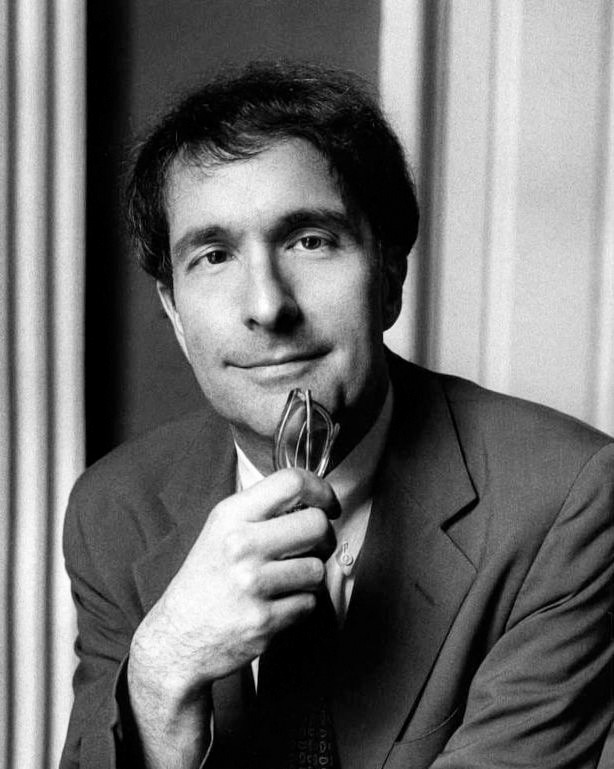
- Core Belief: Intelligence is not one-size-fits-all. There are 8+ intelligences (linguistic, musical, kinesthetic, etc.)
- Impact: Encouraged individualised teaching strategies based on children’s strengths
- Still Used In: Differentiated instruction, STREAM classrooms, talent-based learning.
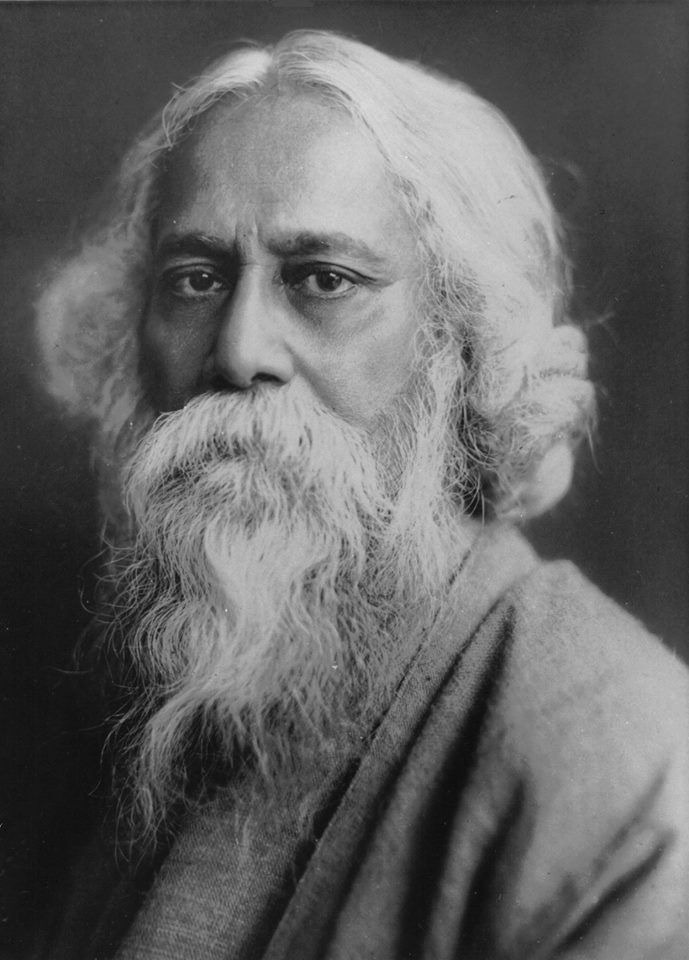
Rabindranath Tagore – Shantiniketan Philosophy
- Core Belief: Education must be rooted in nature, creativity, and freedom.
- Key Practices
⦁ Outdoor learning in open environments
⦁ Emphasis on music, arts, storytelling, and community bonding
⦁ Emotional and spiritual development alongside academics
- Impact: Inspired value-based, nature-integrated learning in early years.
. Mahatma Gandhi – Nai Talim (Basic Education)
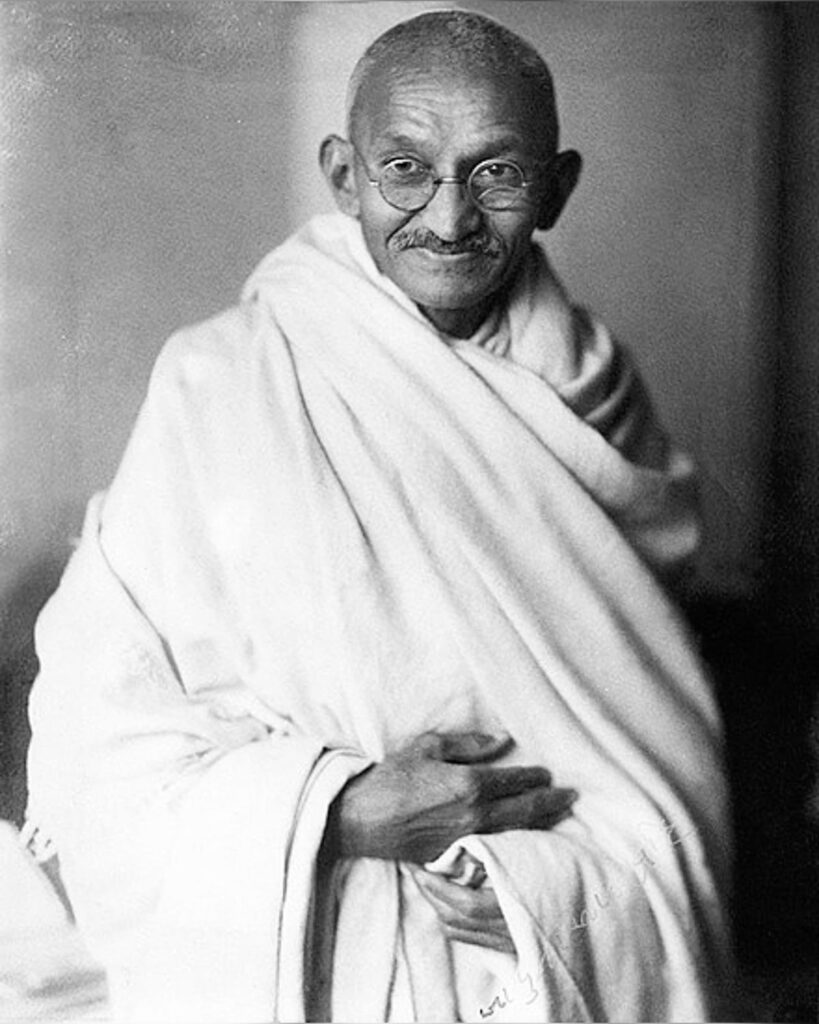
- Core Belief: Learning by doing — head, heart, and hand approach
- Key Practices:
- Activity-based learning with real-life skills (e.g., gardening, weaving)
⦁ Focus on self-reliance, dignity of labour, and moral values
- Impact: Foundations of integrated, experiential ECCE in rural and urban settings
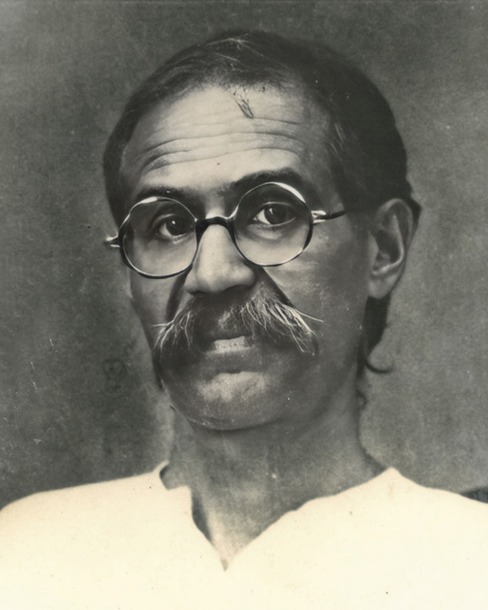
Gijubhai Badheka – Father of Indian Montessori Movement
- Core Belief: Respect the individuality of the child and nurture learning through love and freedom.
- Key Practices:
Adapted Montessori principles to Indian context
Wrote children’s books, promoted storytelling and play as primary learning tools
- Impact: Inspired generations of Indian preschool educators toward child-led learning
Tarabai Modak – ECCE Pioneer in India
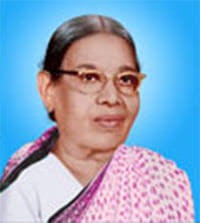
- Core Belief: Early education must be accessible, practical, and rooted in Indian culture
- Key Contributions:
Developed Balwadi (village preschool) model
Integrated low-cost, home-based materials
Created manuals for training grassroots ECCE teachers
- ⦁ Impact: First major step in bringing preschool education to rural India
